A roof leak can feel urgent. Use these practical, safety-first steps to limit interior damage, document what happened, and prepare for a professional inspection.
A drip from the ceiling is stressful, but a calm first response can help limit additional damage while you arrange a professional roof inspection by Kruger Roofing. Water can travel along roof decking, framing, or wiring before it appears indoors, so the visible drip is not always directly below the source.
1. Put safety before cleanup
Keep people away from wet floors and from any area where water is near a light fixture, outlet, ceiling fan, electrical panel, or damaged wiring. Do not touch electrical equipment that is wet. If you suspect an electrical hazard, leave the affected area and contact a qualified electrician or emergency services as appropriate. Moisture on interior surfaces can also create a slipping hazard. [1] [2]
2. Move belongings and contain the water
Move furniture, electronics, rugs, and valuables away from the drip path if it is safe to do so. Place a bucket, bowl, or other stable container under active drips, and put down towels to protect flooring. Check the container regularly during heavy weather so it does not overflow. These simple steps can help limit damage while you wait for the weather to pass or for a roofing professional to arrive. [2]
3. Do not climb onto a wet or storm-damaged roof
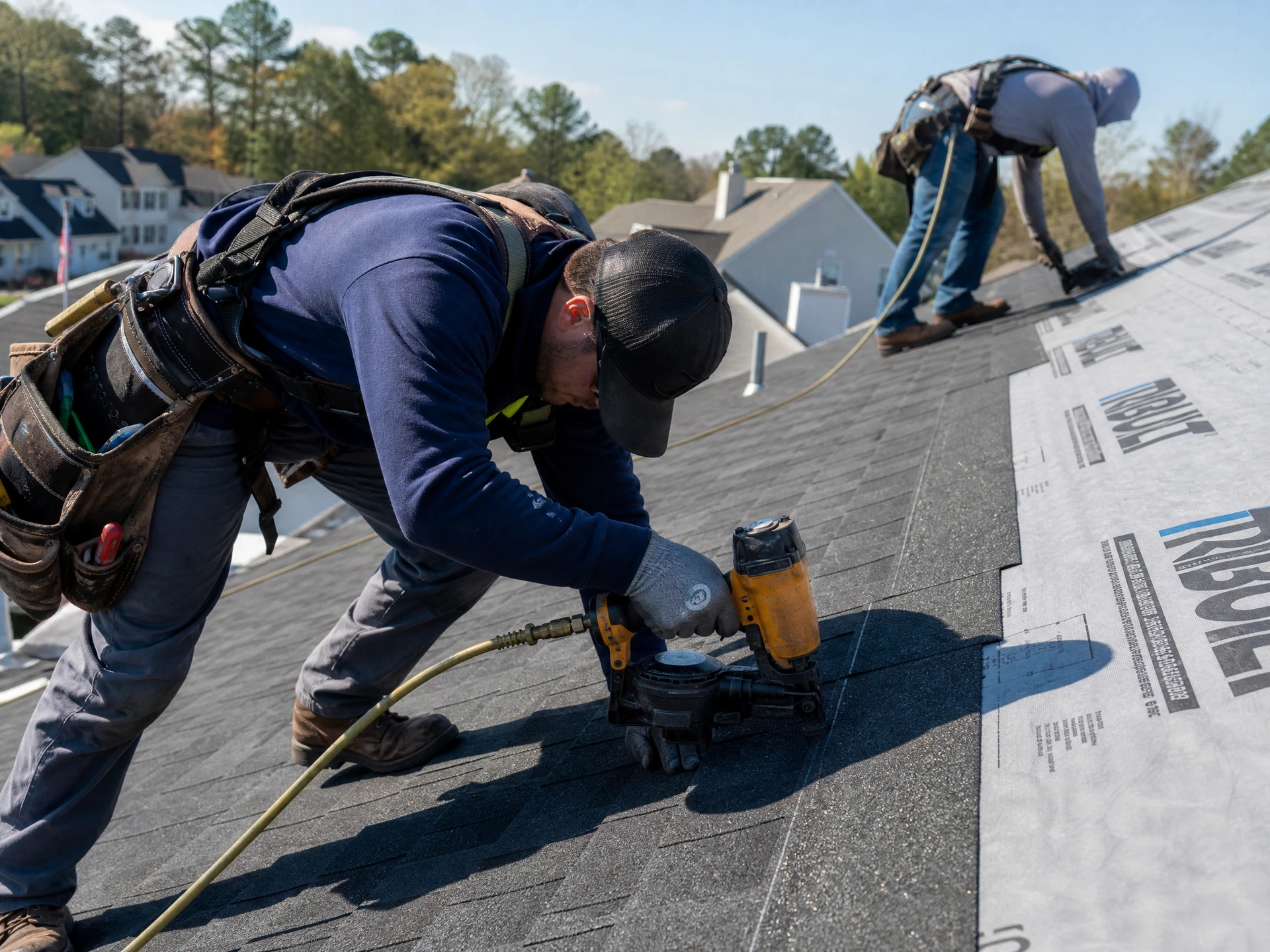
It is tempting to look for a missing shingle or apply a quick patch, but wet roofing, wind, lightning, and unstable ladders create serious fall hazards. Do not climb onto the roof during rain or high winds. If a temporary cover is needed, wait for safe weather and let Kruger Roofing determine the safest way to protect the opening. [3]
4. Document what you can see
Take clear photos and short videos of ceiling stains, active drips, affected belongings, and any visible exterior damage you can safely observe from the ground. Note when the leak began, the weather conditions, and the rooms affected. This record can help the Kruger Roofing technician diagnose the issue and may be useful when you speak with your insurance carrier.
5. Call Kruger Roofing for a scheduled roof inspection
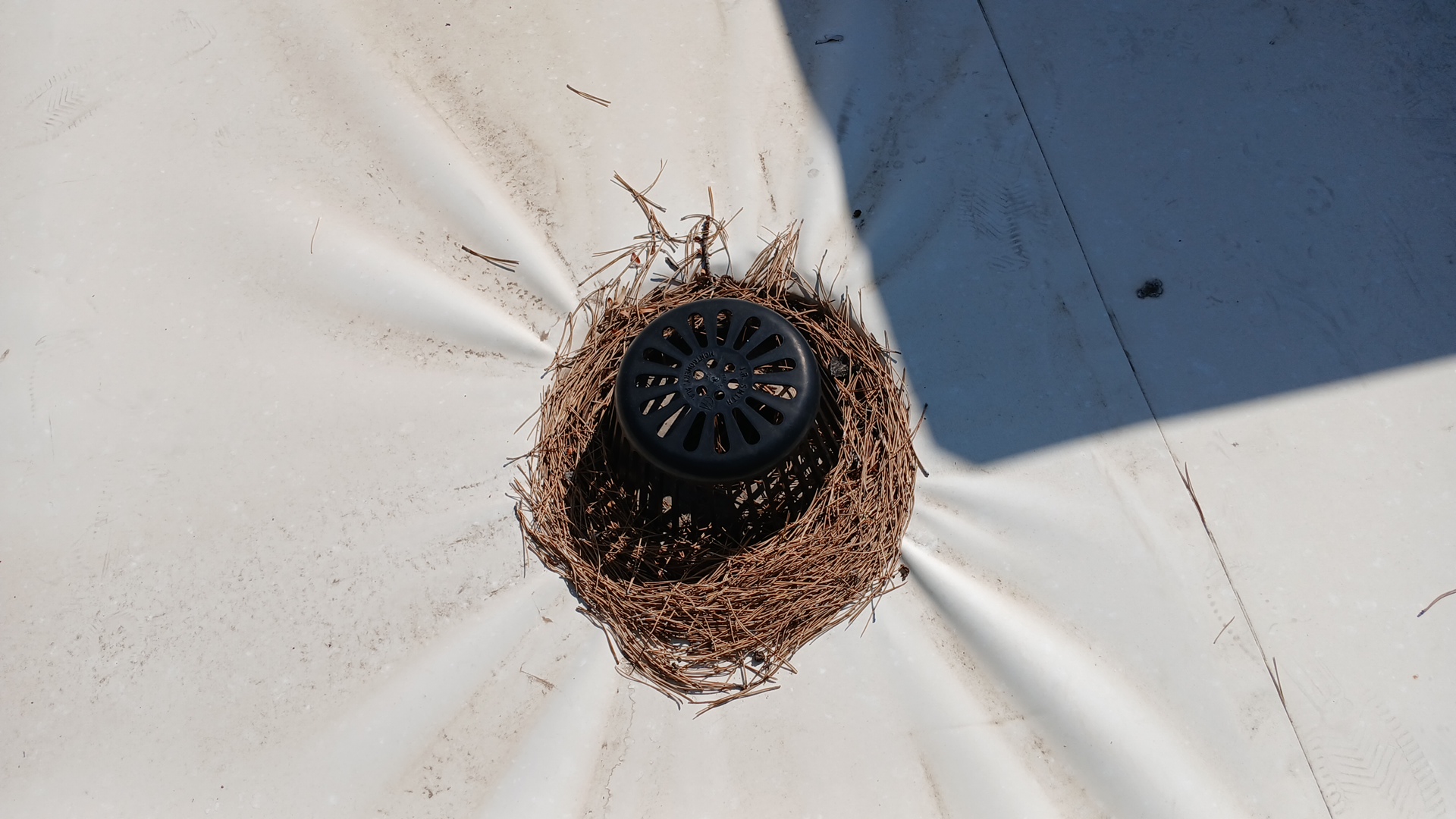
Leaks are not always caused by the roofing field itself. Damaged flashing, pipe boots, roof vents, skylights, gutters, or roof penetrations can all allow water in. Kruger Roofing find the most reliable way to identify the source and recommend an appropriate solution instead of repeatedly treating the visible symptom. [2]
6. Ask the right questions before repairs begin
Ask what caused the leak, what repair is recommended, which materials will be used, and whether nearby components should be inspected at the same time. Request the scope of work in writing. If storm damage may be involved, contact your insurance carrier to understand your policy and documentation requirements; coverage decisions vary by policy and cause of loss. [3]
After the leak is resolved
Once the immediate issue is repaired, ask about preventive maintenance. Keeping gutters clear, trimming branches away from the roof, and arranging routine inspections can help catch worn shingles, compromised flashing, and drainage issues before they become interior leaks. [2]
Need help with a roof leak? Use our estimate request form or call Kruger Roofing at 970-241-7530 to request an inspection in Grand Junction and across the Western Slope.